The road to Sherbrooke began with the scent of maple and a restless appetite for the kind of food that doesn’t just fill the stomach—it hushes the world for a moment. Nestled in the Eastern Townships of Quebec, Sherbrooke carries the relaxed elegance of old-world France with a Canadian backbone. Streets lined with heritage brick buildings, whispering pines, and locals who speak in that smooth, unmistakable Québécois French set the stage. But the real poetry is plated.
This visit was not about sightseeing. It was about taste—bold, butter-laced, red wine-splashed, thyme-scented taste. French cuisine, not from Paris but from this fiercely proud French-Canadian outpost. I spent days walking, sitting, tasting, and talking, chasing that elusive, unmistakably Québécois flavor. This is Sherbrooke’s story—told through its tables.
1. Rue King Ouest: Where Everything Begins
My first stop was Rue King Ouest, the heart of the city’s gastronomic soul. It’s lined with cafés and bistros that don’t need signs boasting authenticity—their windows say enough. Fresh baguettes, chalkboard menus written with a flair that suggests both chef’s pride and a poet’s restraint. Here, the food doesn’t announce itself with trends or gimmicks. It simply shows up, perfectly composed, like an elder craftsman who lets his work speak.
Bistro Kapzak, while blending Polish and French influences, was a memorable surprise. The duck confit here came with a cranberry-red wine reduction so luscious it could have passed for a dessert sauce. The meat—tender without surrendering structure—was tucked into a bed of pommes Anna that were crisped just to the edge of brown, as though a watchful grandmother had pulled them from the oven a second before overdoneness.
Across the street, La Table du Chef offered a different tone. Refined, deliberate, like slipping into a well-worn velvet jacket. The boeuf bourguignon was reduced to the point of reverence. The kind of dish you lean into. The carrots held their shape but offered no resistance. The beef surrendered like an old soldier easing into a final chair. Paired with a local red from nearby Cep d’Argent, this was a dish that didn’t need to be remembered—it lingered.
2. The Legacy of French-Canadian Cuisine
Sherbrooke doesn’t serve French cuisine so much as it evolves it. There’s a kind of respectful rebellion here—a desire to pay homage to the motherland while insisting that maple, spruce tips, and Lake Massawippi trout deserve a seat at the table.
In Restaurant Auguste, the spirit of Québécois cooking reaches full voice. The “poutine inversée” here—deconstructed, yes, but never pretentious—offers a layered conversation between texture and memory. Cheese curds are lightly smoked and tempura-fried. Gravy arrives in a copper pot for pouring, thickened with duck jus. One can argue about whether this still counts as poutine in the classic sense, but there’s no debate about whether it counts as delicious.
A tablemate—a local professor with a penchant for culinary philosophy—described the chef’s approach as “ancestral modernism.” I nodded while finishing off a spoonful of their tarte au sucre, which was dressed with a burnt-caramel Chantilly that would have made a Parisian pastry chef raise an eyebrow, then smile.
3. In Praise of Lunchtime Simplicity
Not every meal need be a six-course affair. One midweek afternoon, I found myself at Café Aragon, a small place with large windows and no interest in trying too hard. Here, lunch meant a croque monsieur—crusty, Gruyère-laden, and griddled with the patience of a retired watchmaker. A small arugula salad with vinaigrette so sharp it nearly whistled stood in perfect contrast.
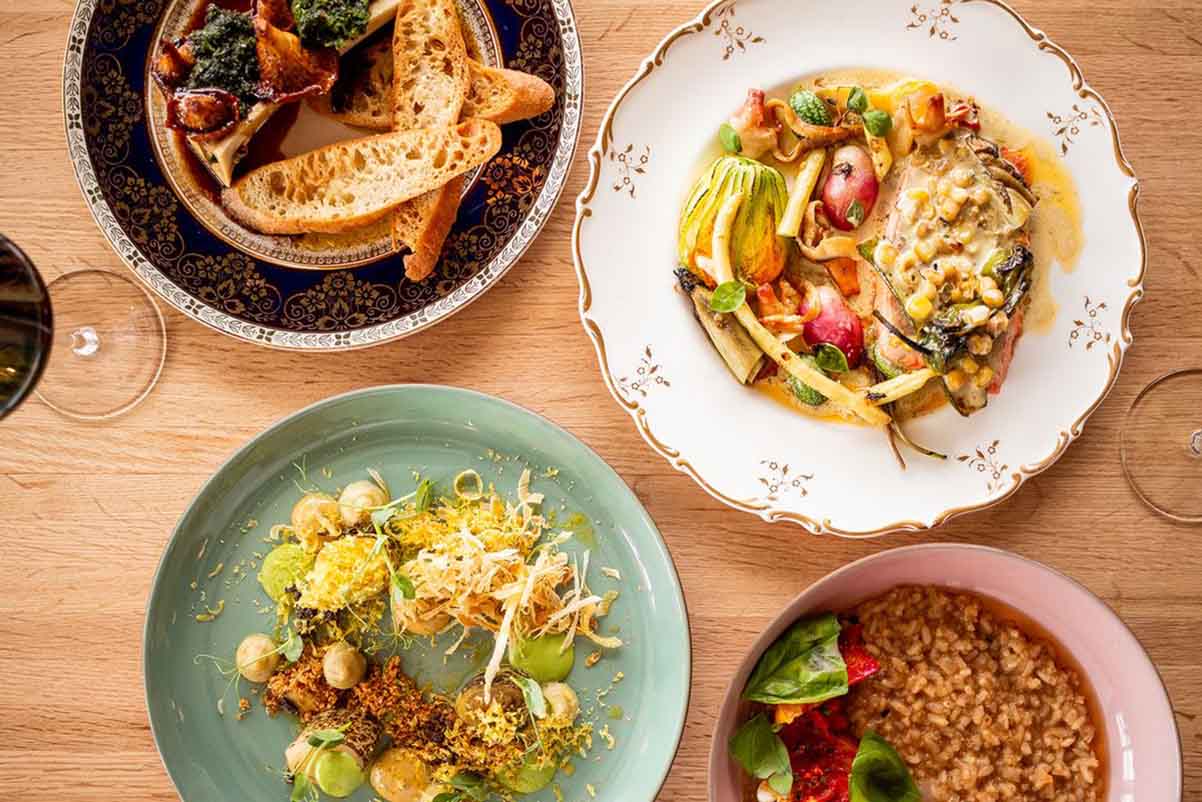
Nearby, Lupa, an Italian-French hybrid with Québécois confidence, offered a prix fixe lunch that included a velvety parsnip soup with roasted shallots and a rabbit terrine studded with pistachios. The bread here was worth a paragraph of its own—served warm, crust lacquered, interior just short of airy.
4. Sweet Things Done Right
Dessert, in Sherbrooke, is a necessity—not an indulgence. The culture doesn’t treat it like an afterthought but a final act.
At Pâtisserie Les Vraies Richesses, I found myself debating between a mille-feuille that stood like a golden, crackling tower and a tarte aux pommes with just the right sag in its crust. The baker, hearing my hesitation, placed a third item on the counter—a pear financier, warm, subtly spiced, edges crisp like a good madeleine’s. I left with all three. I don’t regret it.
Back at Savo, a small café tucked inside a converted colonial house, the hot chocolate came thick as mousse and was served with a meringue disk floating like a lily pad. Every sip was like biting into silk-lined cocoa powder. The pastries were local takes on old French standards. The clafoutis with local cherries was rustic, warm, and unapologetically eggy.
5. Hidden Kitchens and Neighborhood Treasures
Some of the most authentic meals I tasted came from places barely visible unless one knew to look.
In the Old North sector, Le Bouchon, a narrow-fronted, family-run bistro, served a cassoulet that could hold court in Toulouse. Beans soft and savory, sausage with a whisper of fennel, and duck legs that fell apart with a nudge from the spoon. The chef—who occasionally came out to check on guests, apron still floured—spoke of recipes passed down from his great-grandmother, brought from France in the 1930s, adapted for what the Quebec soil yielded.
On a Sunday afternoon, following the sound of laughter and accordion music, I wandered into Marché de la Gare, the local farmer’s market, where food stands offer more than produce. Here, an elderly couple served buckwheat crêpes filled with ham, mushroom, and béchamel. There were no chairs—just crates turned sideways. The crêpes were folded with such care it seemed indecent to cut them. I used my hands.
6. The Role of Ingredients: Local and Proud
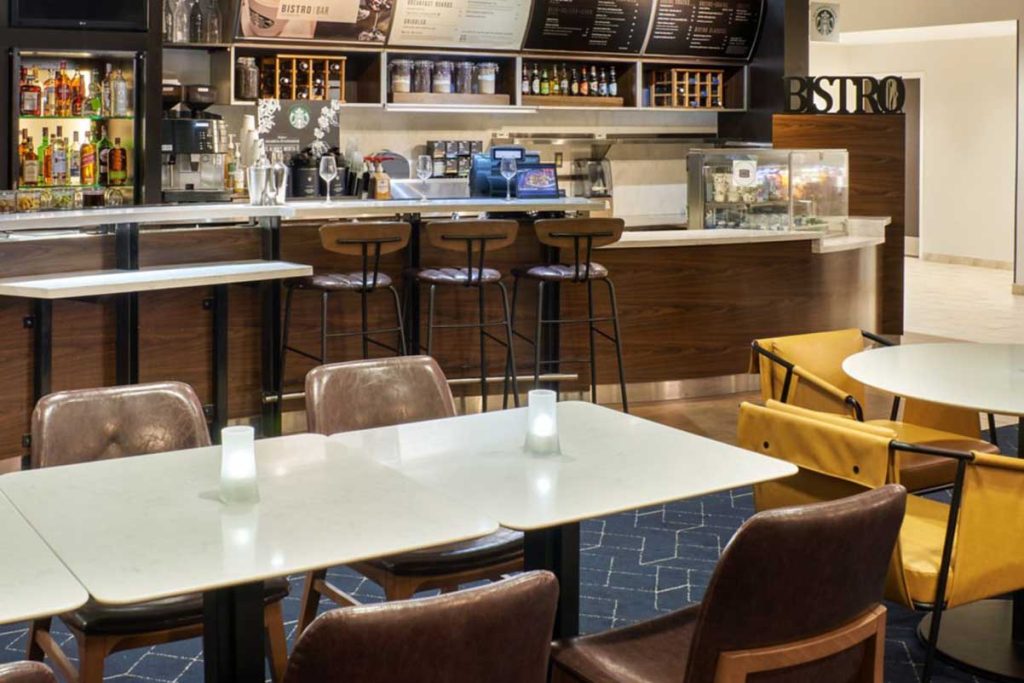
The strength of French cuisine is often found not in complexity but in reverence. Reverence for the onion, for the butter, for the wine. In Sherbrooke, this reverence expands to ingredients rooted in Canadian soil.
At Bistro Les 2 Moires, trout is caught from nearby lakes and served en papillote, laced with lemon and dill, served alongside baby potatoes smashed and crisped in duck fat. The wine list showcases Quebec’s own. The cider reduction used in their pork loin dish was made from a nearby orchard’s harvest. There’s pride in what comes from the region—and it’s deserved.
Even humble dishes like soupe à l’oignon get local treatment. Instead of the classic Gruyère, some places use Oka cheese, giving it a slightly funkier nose and an earthier finish. The broth, built on veal bones and caramelized onions, is simmered for days in some kitchens. A spoonful reveals hours of work—a whisper of thyme, a ghost of sherry vinegar, and the dark hum of stock made the right way.
7. How to Reserve and Order Smart
In a city that balances popularity and preservation, it pays to plan. Many of Sherbrooke’s best tables are intimate by design—eight to twenty covers, often managed by owners who believe hospitality is an art best practiced slowly.
The most reliable platforms for reservations here include:
- OpenTable – Popular with mid-to-upscale restaurants like La Table du Chef and Auguste.
- Libro – Widely used across Quebec for smaller bistros and cafés. Ideal for places like Bistro Kapzak.
- RestoQuébec.ca – This region-specific platform is a goldmine, with filters for French cuisine, chef-owned kitchens, and even specific ingredients (yes, you can search by foie gras).
- Phone Calls – Yes, really. A surprising number of the best establishments here still prefer a quick conversation to an online form. Expect warm greetings, light accents, and sometimes a waitlist worth waiting for.
Delivery? While most of the culinary joy is found in the experience of the room, several top restaurants do offer takeout or delivery through SkipTheDishes and Uber Eats, though the latter is limited in some parts of the city. Bistro-level meals travel decently if picked up rather than delivered.
8. After Dinner: What Lingers
Evenings in Sherbrooke don’t end with the bill. They stretch into walks along the Magog River, or quiet sits under strings of lights in Quartier Wellington, digesting not just food but experience. The air smells faintly of pine and sugar. Conversations slow, but deepen.
The cuisine here reflects a culture that knows how to linger. Courses are not rushed. Wine is poured generously. Meals are spoken over, not talked through. It’s not the kind of dining that suits the impatient—but it is the kind that stays with you.
As I walked back to my lodging one night, the sound of a jazz trio playing in a side alley café filtered through the fog. Someone behind the counter was preparing duck rillettes on toast, while a woman explained, in French, why her tarte Tatin was best served slightly warm.