1. A February Journey through Snow and Stillness
February in Quebec is when the land slumbers beneath a thick quilt of snow. The air is crisp, the skies are a pale silver-blue, and the rhythm of daily life slows down just enough for one to notice the silence in between. Though I’m well acquainted with the pace of Canadian winters, this particular trip from Montreal to Sherbrooke refreshed my understanding of how travel choices, especially in such a season, shape the entire experience.
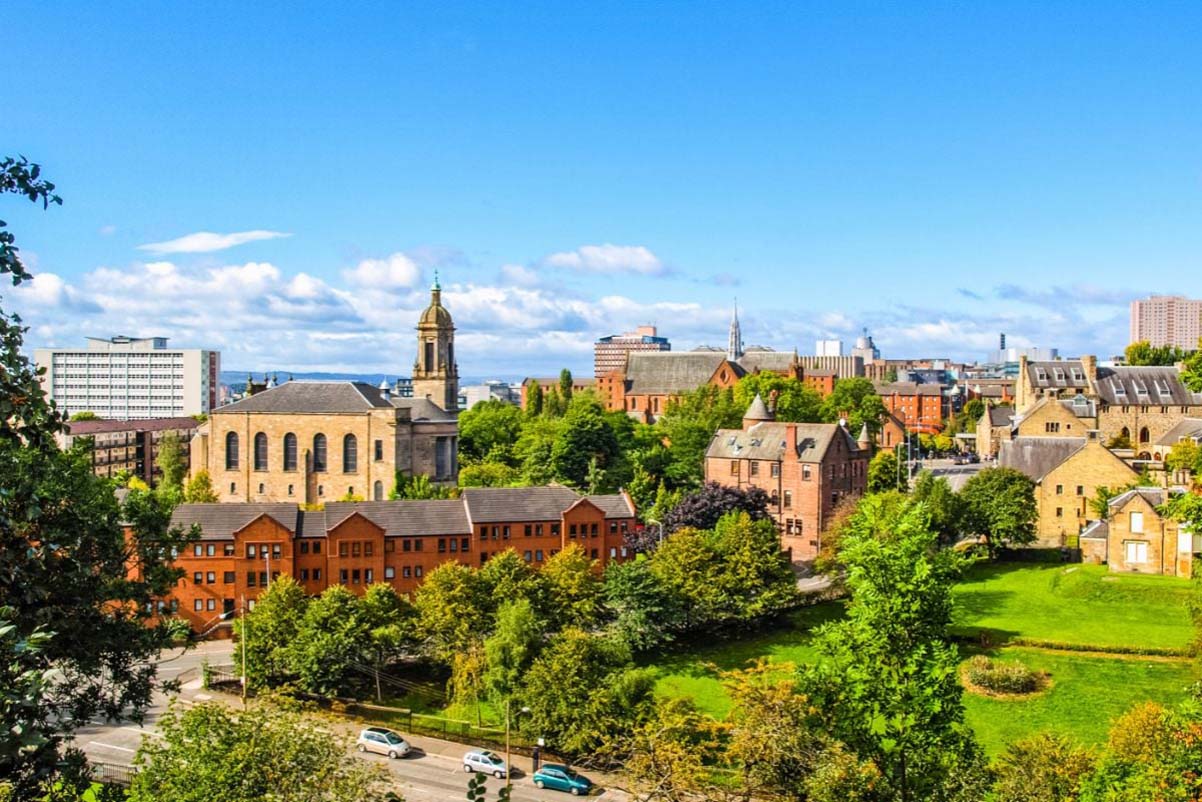
Sherbrooke isn’t a destination often printed in glossy brochures or topping travel rankings. That’s precisely what drew me to it. It’s a town that remains grounded in the charm of Quebec’s smaller communities — poetic, dignified, and gracefully quiet.
This journey began with plenty of logistical questions. Winter travel always brings unique challenges, and transportation was the first hurdle. After weighing my options, I chose a route that combined intercity bus travel with a rental car for the final leg. This turned out to be not only efficient but also comfortable and scenic — a surprisingly smooth passage through snow-covered valleys and wooded hills. There’s a lot to recount, and every detail helped stitch together this winter journey.
2. Pre-Departure Planning in Montreal
Montreal in February wears a hardened, icy coat. Snowbanks line the streets like old walls, shaped and reshaped by plows. The forecast hovered around -15°C for the week, which wasn’t unusual, but it did mean taking extra precautions. I started researching the best way to reach Sherbrooke about a week ahead of time.
There’s no direct train from Montreal to Sherbrooke, and the distance — roughly 150 kilometers — usually takes about two hours by car under good road conditions. I explored the available transport options carefully:
- Driving: Renting a car in Montreal and driving directly to Sherbrooke.
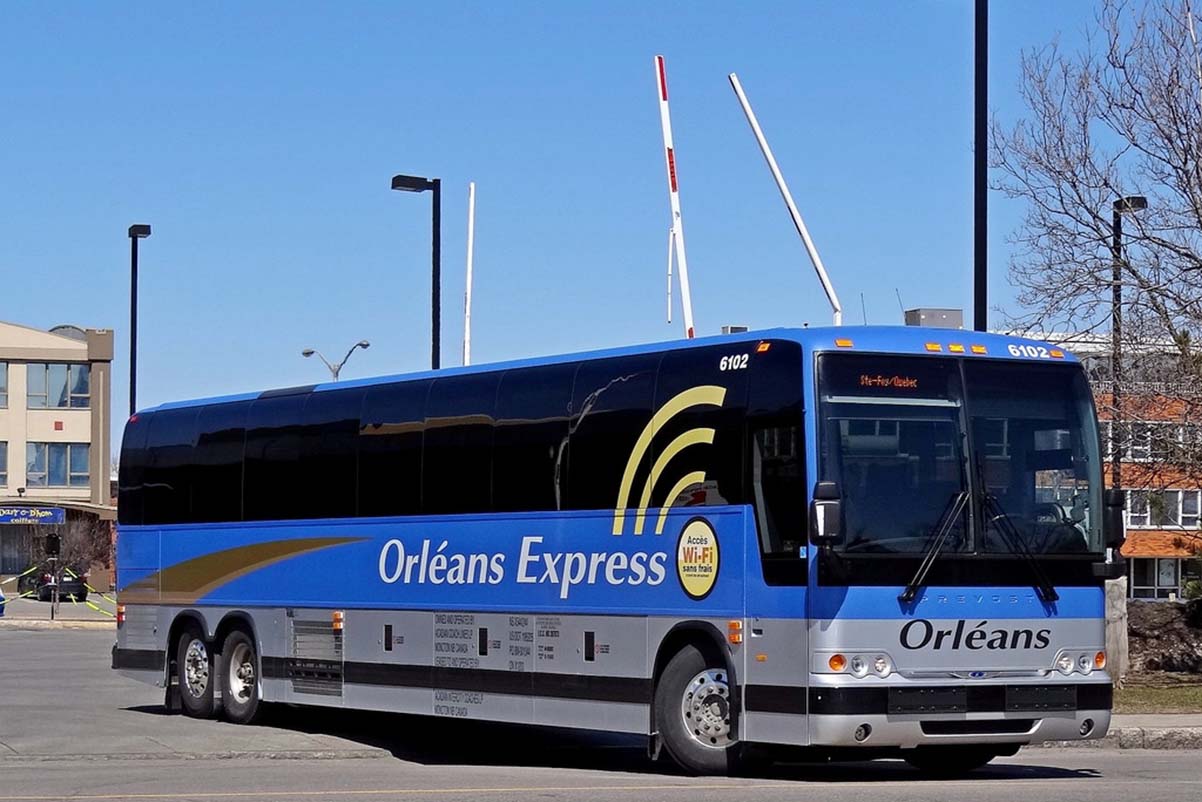
- Intercity Bus: Taking an Orléans Express coach to Sherbrooke, then renting a car or using local transit for the rest of the journey.
- Rideshare Platforms: Options like AmigoExpress or Poparide.
- Private Shuttle or Charter: Less convenient and significantly more expensive.
- Train: No direct services available, and connections were impractical.
Ultimately, I chose the intercity bus combined with a car rental. Driving the whole way was tempting, but the thought of navigating unfamiliar, potentially icy roads made me hesitant. I preferred to stay on the safer side.
3. Booking the Orléans Express Bus and Departure Morning
Orléans Express is the primary intercity coach operator in Quebec. They have regular routes, reliable vehicles, and a solid reputation for punctuality and comfort — crucial factors in winter travel.
Booking through their official website (https://www.orleansexpress.com) was straightforward. I entered “Montreal” as the departure city and “Sherbrooke” as the destination, picked the 8:30 AM departure, and completed payment without issue. The ride was scheduled to arrive at Sherbrooke’s downtown terminal by 11:15 AM. Ticket cost: $37 CAD, including one large checked bag.
Though February is off-season for travel, I purchased my ticket five days in advance just to be cautious.
On the day of departure, I arrived at Montreal’s Central Bus Station (Gare d’autocars de Montréal) at 7:50 AM. It’s conveniently located next to the Berri-UQAM metro station. The terminal was clean, organized, and warm — a welcome contrast to the biting cold outside. There were kiosks to print tickets, plenty of seating, and clear signage.
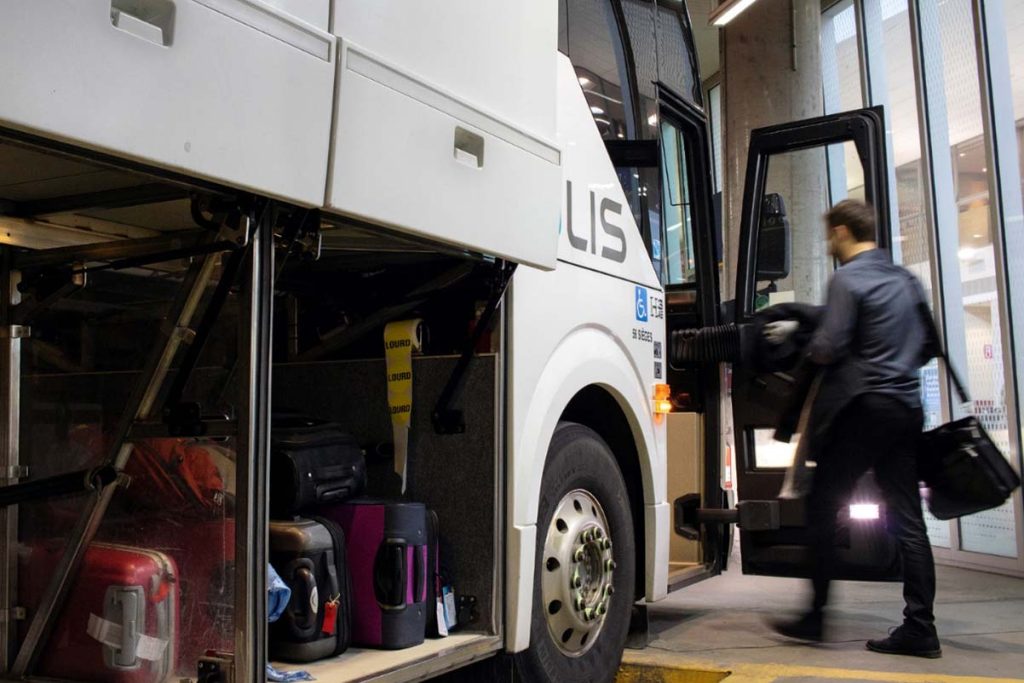
The bus pulled in right on time. The driver scanned my e-ticket, and I boarded quickly. Inside, the coach exceeded expectations: spacious seats, strong onboard heating, USB ports, and even Wi-Fi. Within minutes of departure, the windows began to thaw, and a sense of quiet comfort settled in.
4. On the Road: Montreal to Sherbrooke
Once out of Montreal, the coach joined Autoroute 10 (A-10), the major eastbound highway connecting Montreal with Quebec’s Eastern Townships. The landscape slowly shifted from dense urban blocks to rolling snow-covered farmlands and forests. Distant mountain ridges framed the horizon. Light pierced the clouds now and then, scattering silver reflections across the snow.
The coach made quick stops at small towns like St-Jean-sur-Richelieu and Granby. Each stop lasted no more than five minutes, with passengers embarking and disembarking quickly and quietly.
Around 11:00 AM, we began descending into Sherbrooke. The city has a quieter, more measured pace than Montreal, with charming stone architecture and snow-muted streets. The bus station itself — Gare de Sherbrooke — was modest in size but well-equipped. It had a car rental desk, vending machines, restrooms, and space to reorganize one’s things.
At the Enterprise counter, I picked up the compact car I had reserved in advance. The process was seamless. I presented my driver’s license and credit card, signed a few documents, and within 15 minutes I was seated behind the wheel, warming my hands on the steering wheel heater.
5. Driving from Sherbrooke to Sherbrooke (Town of Sherbrooke to Village of Sherbrooke)
The drive from Sherbrooke to the small village of Sherbrooke (sometimes a source of naming confusion) is approximately 40 kilometers. The route primarily follows Highway QC-108, winding through the foothills and woodlands typical of the region. In February, snowbanks crowd the shoulders of the road, and shaded areas can remain icy well into the afternoon.
Once on the road, GPS led me past the outskirts of Sherbrooke’s city center into the open countryside. The sun was low in the sky even before noon, casting long shadows across snow-covered fields. Trees on both sides were frosted white, with occasional flurries kicked up by the wind.
About halfway along the route, I passed through Cookshire-Eaton. The town felt frozen in time, with a red-brick church and a row of small cafés and shops — all cloaked in stillness. I stopped for a few minutes to stretch my legs. The snow beneath my boots squeaked with every step, and the cold stung my face just enough to remind me how far I was from Montreal’s urban buzz.
The final stretch toward Sherbrooke Village wound through dense woods. I slowed down frequently — wildlife crossings are common, and in fact, a group of white-tailed deer emerged from the trees at one point, reminding me that in Quebec, nature never quite gives way to the road.
6. Arriving in Sherbrooke Village: Where the Journey Deepens
Sherbrooke Village rests quietly along the St. Francis River. Its population is small, but the town carries its history with elegance. As I entered, the first building that caught my eye was a Victorian-style town hall perched on a snow-covered square. Its silhouette against the pale sky was almost cinematic.
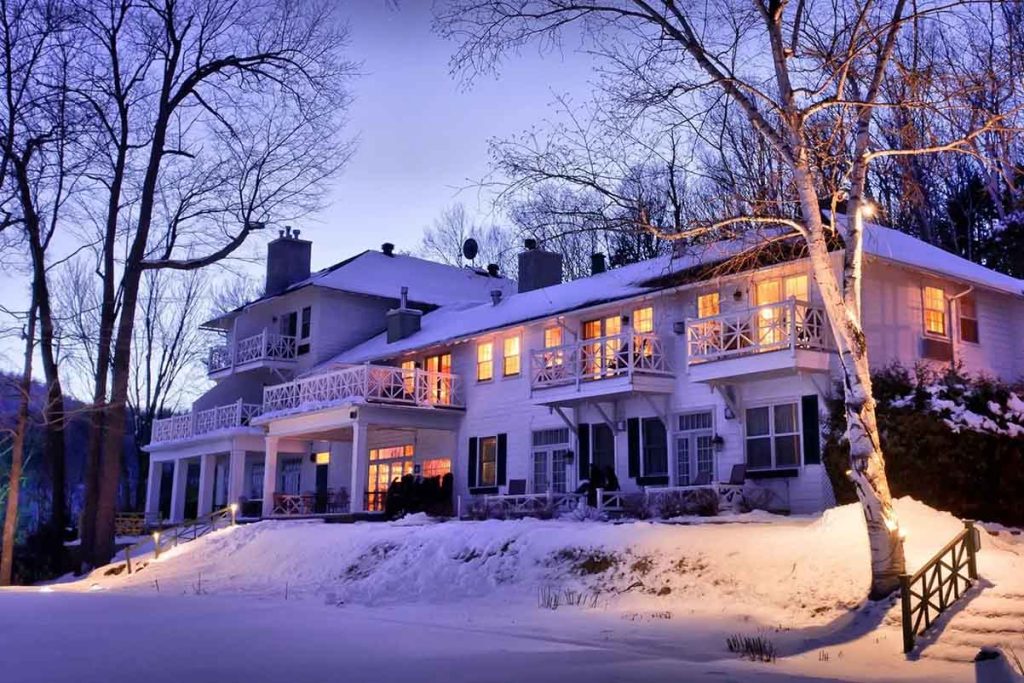
Parking was easy — a public lot right off the main street had ample space. I checked into a local inn called Manoir Hovey, an elegant manor house originally built in the 19th century, now functioning as a lakeside hotel. Located south of the village center, it offered just the right amount of seclusion, without sacrificing accessibility.
Looking back, the combination of Orléans Express and a short car rental was clearly the most efficient and least stressful choice. Alternative routes either stretched the timeline or introduced more risk — especially in the winter months when even an hour of snow can turn highways into obstacle courses.
7. Winter Travel Notes and Unforeseen Details
Several factors shaped the comfort and safety of the journey. A few key lessons stood out:
- Weather Watch: Winter weather can shift rapidly. Always check forecasts the day before, particularly for snowfall or wind warnings.
- Proper Gear: Waterproof, insulated boots with strong traction and windproof outerwear are essentials.
- Offline Maps: Cellular reception drops in rural stretches. Download offline navigation maps (Google Maps, for example) in advance.
- Rental Car Insurance: Full coverage is wise in winter, as roadside incidents and fender benders are more common.
- Language Basics: French is the dominant language in small Quebec towns. Learning basic travel phrases helps immensely.
- Contingency Planning: Always have a Plan B. If conditions worsen, overnight stays in Sherbrooke city are readily available.
8. Getting Around Sherbrooke Village
Transportation within the village and surrounding area is straightforward:
- Walking: The town is compact and best explored on foot.
- Local Taxi: Can be reserved by phone; limited service but dependable.
- Winter Sports Options: Snowshoeing trails are available in nearby woods.
- Car: Highly recommended if visiting nearby towns like North Hatley or Compton.
9. Reflections on the Journey
This trip from Montreal to Sherbrooke was never meant to be flashy. It wasn’t about high-speed trains or luxury shuttles. It was about navigating one’s way through winter’s embrace, making deliberate choices, and discovering a side of Quebec that often escapes notice.
Snow may have blanketed the roads, but it also softened the landscape, deepened the quiet, and added a poetic layer to every turn and stop. Moving through fields, forests, and small towns wasn’t just a means of arrival — it became part of the destination.
What began as a logistical exercise turned into a memorable winter passage through the heart of Quebec’s countryside. And along that road, amid snowbanks and old churches, warm inns and frosted hills, I found not just a place, but an experience — driven as much by the road beneath as by the town that waited at its end.