1. Arrival in Sherbrooke: First Snowfall and First Impressions
Snow was falling gently as I stepped off the bus into the heart of Sherbrooke. The flakes clung to the folds of my coat, melting slowly under the yellow glow of the street lamps. It was late afternoon, the kind of muted winter light that makes everything seem quieter, like the town itself was holding its breath under a fresh blanket of snow. I’d chosen to arrive by intercity coach—one of the most comfortable and straightforward ways to reach Sherbrooke from Montreal. The drive was smooth, about two hours of scenic countryside gradually turning white with early December snow. The onboard Wi-Fi worked just fine, but I spent most of the ride watching the fields and forests transition into something soft and snow-covered.
The Gare d’autobus de Sherbrooke is conveniently located near the downtown area. From there, it was a short taxi ride to the auberge I had booked—a cozy inn with views over the Magog River. As I opened the door to my room, the scent of pine and old wood filled the air. Outside, flakes still floated in the air, settling on the black iron railing of the balcony. It was already shaping up to be a quintessential Canadian winter getaway.
2. Why Sherbrooke in Winter?
Sherbrooke isn’t usually the first name that pops up when people think of winter travel in Quebec. Most eyes go to Mont-Tremblant or the Laurentians. But that’s precisely what drew me here. Sherbrooke offers something quieter, more authentic, and deeply tied to the natural rhythm of the region. There’s no hustle. No over-commercialization. Just snowy trails, frozen lakes, and that French-Canadian warmth that makes winter feel less like a challenge and more like an invitation.
The town itself is nestled in the Eastern Townships, where English and French cultures blend into a charming hybrid. It’s a university town, which means it’s lively, but not hectic. There’s good coffee, good beer, and locals who actually stop to chat with you on the street. In winter, it transforms—skating rinks appear on riverbanks, cafés switch to mulled cider and hot cocoa, and people start moving at a different pace, slower, bundled up, and always with a smile that’s half hidden behind wool scarves.
3. Day 1: Hitting the Slopes at Mont Bellevue
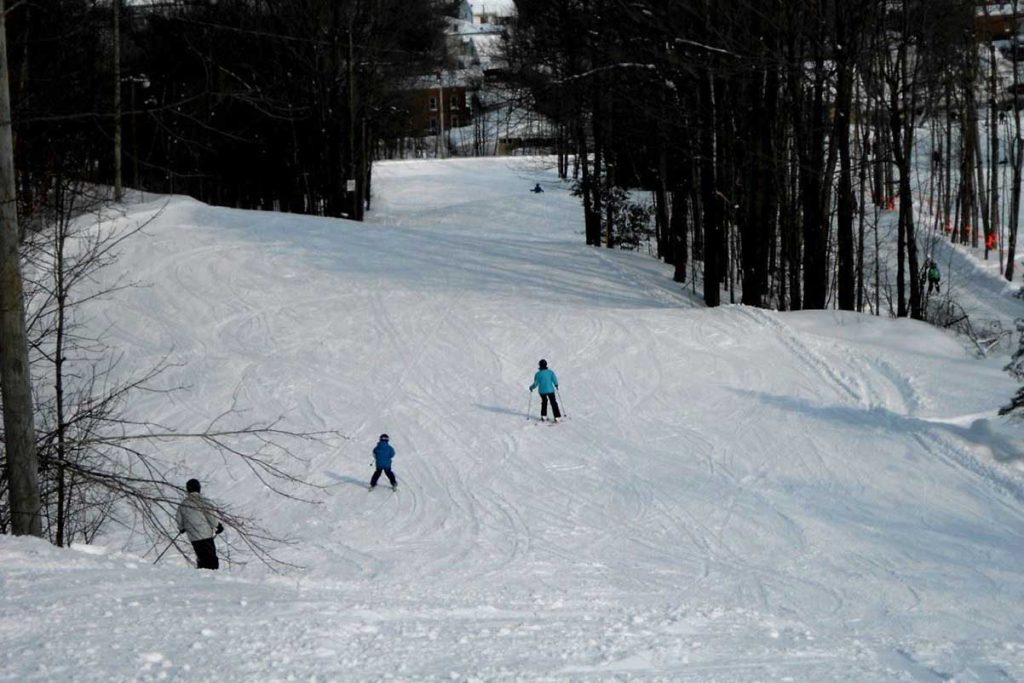
Mont Bellevue isn’t the biggest ski hill in Quebec, but it might be one of the most charming. It sits just minutes from downtown, which meant I didn’t need to wake up at the crack of dawn. After a breakfast of buttery croissants and café au lait at a boulangerie near Rue King Ouest, I grabbed my rented skis and headed to the hill.
I took the city bus that morning—it runs regularly and stops right at the base of Mont Bellevue. Skiing so close to town felt almost surreal. The hill might not challenge the likes of Whistler or Tremblant, but for someone looking to carve a few satisfying turns in between other winter adventures, it’s perfect.
The morning was crisp—around -10°C—but the sky was cloudless, a bright blue that made the snow almost painful to look at without sunglasses. The air had that unmistakable smell of cold metal and pine needles. I spent hours there, gliding down familiar green runs and occasionally testing myself on the blues. The snowpack was fresh, slightly powdery, and forgiving. Locals zipped past me in colorful gear, laughing, kids tumbling into snowbanks like it was the most normal thing in the world.
After a few hours, my fingers began to go numb, so I ducked into the tiny chalet at the base of the hill. Hot chocolate in a Styrofoam cup never tasted so good.
4. Day 2: Skating Under the Stars on Lac des Nations
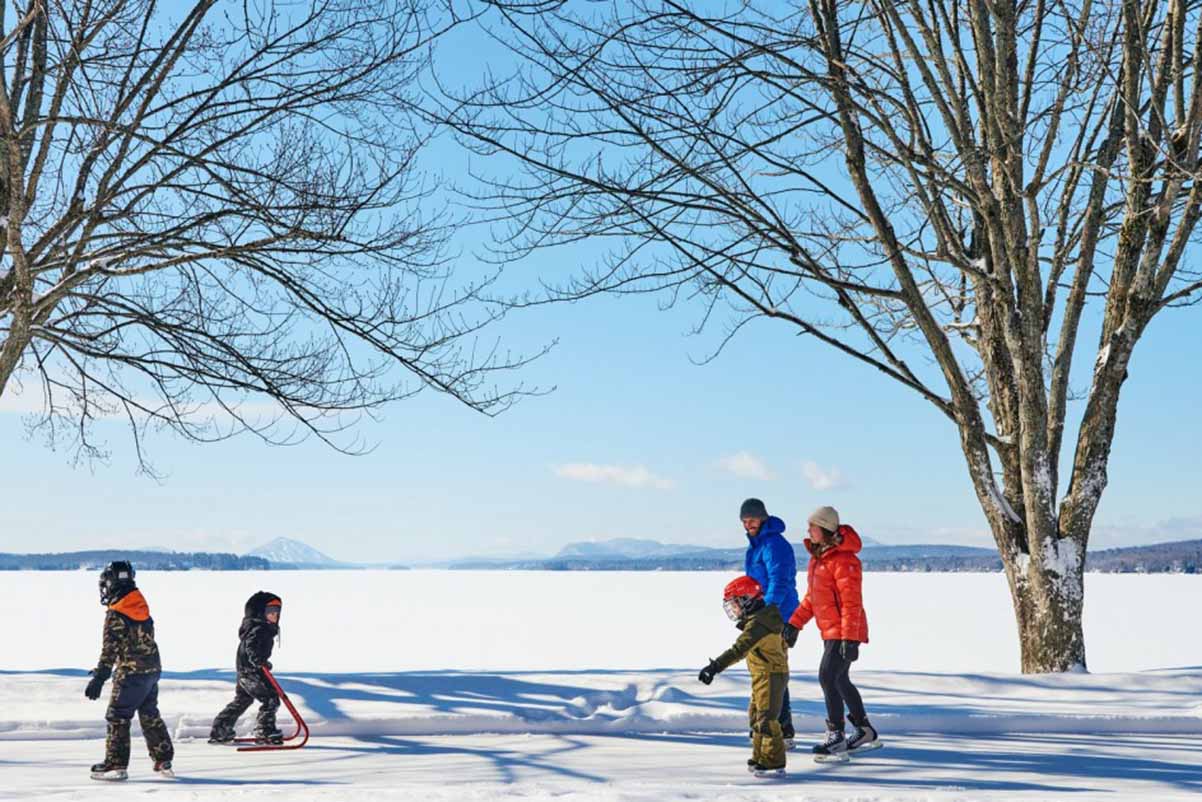
If skiing gets your adrenaline going, skating on a frozen lake at dusk soothes the soul in the most unexpected way. I’d read about the ice trail at Lac des Nations and decided to spend the evening there. The walk from my auberge took around fifteen minutes through snow-dusted streets, the sound of my boots crunching the only thing I could hear at times.
The ice trail loops around the perimeter of the lake, lit by gentle, warm lighting that creates an almost magical ambiance. There’s music playing from speakers hidden among the trees—soft jazz, some classic French songs, the occasional indie folk tune. The effect is pure enchantment.
I laced up my skates on one of the benches and stepped onto the ice slowly. It was well-maintained, with only a few scratches from earlier skaters. I made a few tentative loops before finding my rhythm. Couples skated hand-in-hand. Parents pulled bundled-up toddlers on small sleds. Teenagers showed off little jumps and spins. I was somewhere in the middle—confident enough to glide but cautious enough to avoid the showy crowd.
The smell of wood smoke floated from a nearby firepit where people gathered to warm up. I took a break there, sipping from a thermos of peppermint tea I’d brought along. The stars above were piercingly bright, more than I’d seen in weeks. The ice reflected them like a mirror.
5. Day 3: A Soak in Nordic Bliss – Strom Spa Nordique
On my third day, the wind picked up. Skies darkened a little. Snowflakes started falling again—fatter this time, slower, like they were reluctant to land. It felt like the perfect day to shift gears and go somewhere warm.
Strom Spa Nordique is located just outside Sherbrooke’s city center. I took a short taxi ride out—ten minutes at most. As we pulled into the parking lot, steam was already rising above the snowbanks. The spa sits beside a river, and the outdoor pools are built to blend into the landscape. Snow-laden trees surround the area like silent guardians.
The routine is one I’d followed at Nordic spas before—hot bath, cold plunge, rest. Repeat. But something about doing it while surrounded by snow-covered pines took the experience to a different level. The outdoor hot pools were around 39°C, and the contrast with the freezing air was electrifying. Steam clouded my vision as I leaned back, neck deep, letting every muscle in my body slacken.
When it was time for the cold plunge, I steeled myself and stepped into the icy water. It felt like knives at first, then turned into an invigorating numbness. My skin prickled, my lungs expanded, and I felt completely awake.
Inside, there were relaxation rooms with floor-to-ceiling windows. I curled up in a chair with a fleece blanket, sipping herbal tea and watching the snow fall outside. Hours slipped by. No one rushed. No one even really spoke. It was as though everyone there had agreed to move through the afternoon in slow motion.
6. Getting Around Sherbrooke: No Car, No Problem
One of the small victories of this trip was realizing just how unnecessary a rental car was. I had originally planned to pick one up in Montreal, but after reading about local transit options and calculating the cost, I chose to travel by bus and rely on local transport, taxis, and walking.
And I didn’t regret it once.
Sherbrooke’s public transit system is surprisingly efficient. Most of the major attractions—Mont Bellevue, Lac des Nations, the downtown core—are accessible via well-connected bus lines. The buses are clean, on time, and have real-time tracking through an app. On especially cold days, I used taxis for shorter distances. The drivers were friendly, and every single one of them had a tip for where to eat, where to skate, or which café to duck into if I needed to warm up.
Walking was its own reward. The town is extremely walkable, and in winter, the sidewalks are regularly cleared and gritted. The riverside paths are especially beautiful, even in the cold. One morning, I watched a family of ducks paddle through a half-frozen stream while I sipped coffee from a small café that overlooked the river. It felt like a scene from a snow globe.
7. Local Flavors: Eating Through the Cold
Winter travel demands a different kind of sustenance—hearty, warm, and comforting. I found that Sherbrooke’s food scene delivered exactly that.
At L’Empreinte, a tiny bistro tucked into a red-brick building near Rue Wellington, I had one of the best meals of the trip. The menu changes with the seasons, and that night’s offerings included duck confit with parsnip puree and a venison tartare that was melt-in-your-mouth tender. The chef greeted diners personally, often pausing to explain the local sourcing behind each dish.
For breakfast or a mid-morning stop, I kept returning to Café Faro. Their maple latté was addictive, and their flaky pastries seemed to vanish from my plate without much effort. The café’s interior was the definition of hygge—soft lighting, wool throws on the chairs, and old books stacked on windowsills.
I also tried poutine, naturally. Twice. Once at a casual diner with squeaky cheese curds and rich, peppery gravy, and another time at a more upscale gastropub version with duck fat fries and a red wine reduction. Both were unforgettable in their own way.
8. Day 4: A Winter Hike in Parc du Mont-Bellevue
Most people think of hiking as a summer or fall activity. But winter hiking in Sherbrooke has its own kind of magic. I returned to Mont Bellevue—not for skiing this time, but to explore the trails winding through the snow-covered forest.
With crampons clipped onto my boots and layers of wool and fleece, I set off into the woods. The air was sharp and still. Every branch carried a delicate crown of snow, and underfoot, the trail crunched with each step. The forest was silent except for the occasional call of a chickadee or the rustle of a squirrel darting under the snow.
I passed a group of students building a snow fort near one of the trail intersections. Further in, I saw a pair of snowshoers moving slowly through the deeper drifts. The terrain wasn’t challenging, but it was a good workout. After about an hour, I reached one of the lookouts. From there, the whole of Sherbrooke unfolded beneath me—chimneys puffing smoke, the river winding like a silver thread, and distant hills blending into the horizon.
9. Day 5: A Daytrip to North Hatley – Winter by the Lake
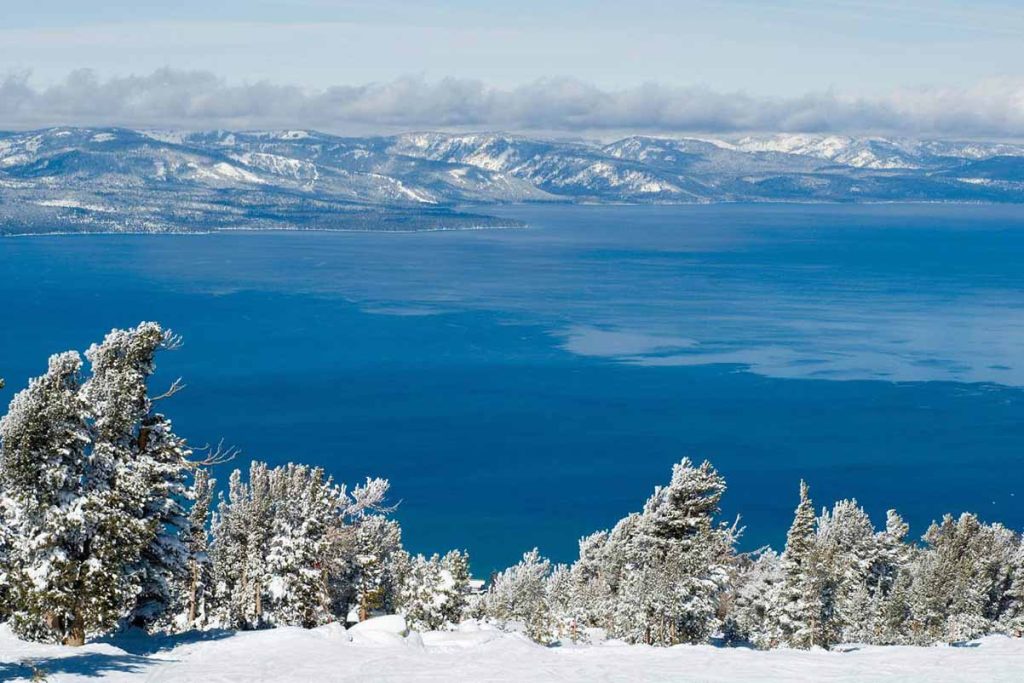
On my fifth morning, I decided to explore a nearby gem: North Hatley, a lakeside village about 30 minutes south of Sherbrooke. I took a local bus that makes its way through winding country roads, past snow-covered farms and clusters of birch trees.
North Hatley in winter looks like it was plucked from a Christmas card. Ice glazes the surface of Lake Massawippi, and the main street is lined with Victorian houses, many of them now quaint inns and artisan boutiques. I strolled through the village, stopping for a bowl of French onion soup at a lakeside restaurant that still had garlands strung across its eaves.
There was a small skating area cleared on the lake, where kids played hockey in mismatched gloves and face masks. The scene felt timeless, like winter was the village’s natural state. I spent the afternoon walking along the lake’s edge, watching the sun dip lower and the sky turn to pastel shades of purple and pink. The cold deepened, but so did the beauty.
Back in Sherbrooke by early evening, I returned to my inn just as a fresh snowfall began to cover the footprints I’d made earlier. I sat by the fireplace with a book and let the day settle into memory.
10. Rediscovering Stillness: A Winter Morning by the Magog River
One of the most peaceful mornings was entirely unplanned. I woke before sunrise and felt restless. The snow had stopped during the night, leaving the world covered in a soft white silence. I bundled up and stepped outside, walking aimlessly until I reached the river.
The Magog River is narrow and winding, with footbridges that cross it at regular intervals. That morning, the water was partially frozen, swirling slowly under the ice. The riverbanks were thick with snow, and steam rose from a nearby storm drain like breath from a sleeping giant.
I wasn’t alone. An older man, wrapped in a wool coat and fur hat, stood on the bridge watching the water too. We nodded to each other but didn’t speak. It was a quiet, sacred moment that didn’t need filling.
Birdsong began tentatively as the sky lightened. Frost clung to the railings, and the stone path beneath my feet glittered in the dawn light. For a while, I simply stood still, watching the town wake up beneath the pale blue sky.
11. Evening Lights and the Ritual of Return
Evenings in Sherbrooke have their own rhythm. Lights turn on early. Restaurants fill with locals in thick sweaters. And there’s a sense of ritual—of winding down, reflecting, letting the cold outside deepen as warmth gathers indoors.
I found myself returning often to the same walk after dinner: along the Promenade du Lac-des-Nations. The lamps cast soft light onto the snow, and the lake took on an eerie stillness. Sometimes I’d pass joggers, or young couples sharing quiet conversations. Other times, I was entirely alone. The crunch of my boots, the distant rumble of snowplows, and the occasional hoot of an owl were the only sounds that accompanied me.
I’d pass the illuminated fountain at Place de la Cité, where frozen mist sparkled in the light. I’d breathe in the scent of chimney smoke from nearby homes. The city doesn’t shout at you. It whispers. And winter makes it easier to hear.
12. A Final Morning: Grey Light and Coffee on Rue King
On my last morning in Sherbrooke, the sky was a soft, unremarkable grey. Snow had stopped falling. The streets were quiet, as though the town was gently nudging me toward departure. I packed slowly, methodically, not ready to leave but ready to carry what I had found here into the next season of life.
I returned to Café Faro one last time. Sat at the same table by the window. Ordered the same maple latté. Outside, the world moved in slow winter motion—mothers pushing strollers, teenagers huddled under hooded parkas, delivery trucks trailing steam from their tailpipes.
My bus back to Montreal wouldn’t leave until the afternoon, so I had time. I wrote in my notebook. Flipped through photos. Watched the light change ever so slightly on the snow-laced street.
And when it was finally time to go, I walked to the station with deliberate steps, my boots leaving prints that would be covered again by the next snowfall. I boarded the coach, took my window seat, and watched Sherbrooke grow smaller behind me, wrapped once again in its winter hush.