My first visit to Liverpool was inspired by a band.
For many people, the first thing that comes to mind when Liverpool is mentioned is football; however, for me, the city’s greatest allure lies in its profound musical heritage. As the birthplace of the world-renowned rock band, The Beatles, Liverpool has not only nurtured countless classic melodies but has also cultivated a unique urban character. Driven by a deep yearning for both music and history, I embarked on this long-anticipated journey.
As the train slowly pulled into Liverpool Lime Street Station, I was greeted by the sight of a city that seamlessly blends industrial history with modern vitality. It lacks the frenetic bustle of London and the enigmatic mystique of Edinburgh, yet it possesses an openness and inclusivity unique to a port city. After spending a few days exploring, I discovered that Liverpool is not merely a city of music, but a city brimming with stories.
First Impressions of Liverpool: A City Where Port and Music Intertwine
Upon arriving at my hotel, I couldn’t wait to hit the streets. The air carried a faint scent of sea breeze, while the distant buildings retained a distinct Victorian architectural style. Street-side cafes played familiar Beatles tunes; as the melody of “Hey Jude” drifted gently through the air, I was instantly overcome by the sensation of having arrived at a true musical sanctuary.
Strolling through the city center, I found Beatles-related elements at every turn: murals adorning the walls, commemorative sculptures, vinyl records displayed in the windows of music shops, and even pub signs bearing connections to the band.
For any music lover, Liverpool feels like a colossal history book of music—one where turning every page reveals a new story.
The Beatles Story: A Musical Journey Through Time
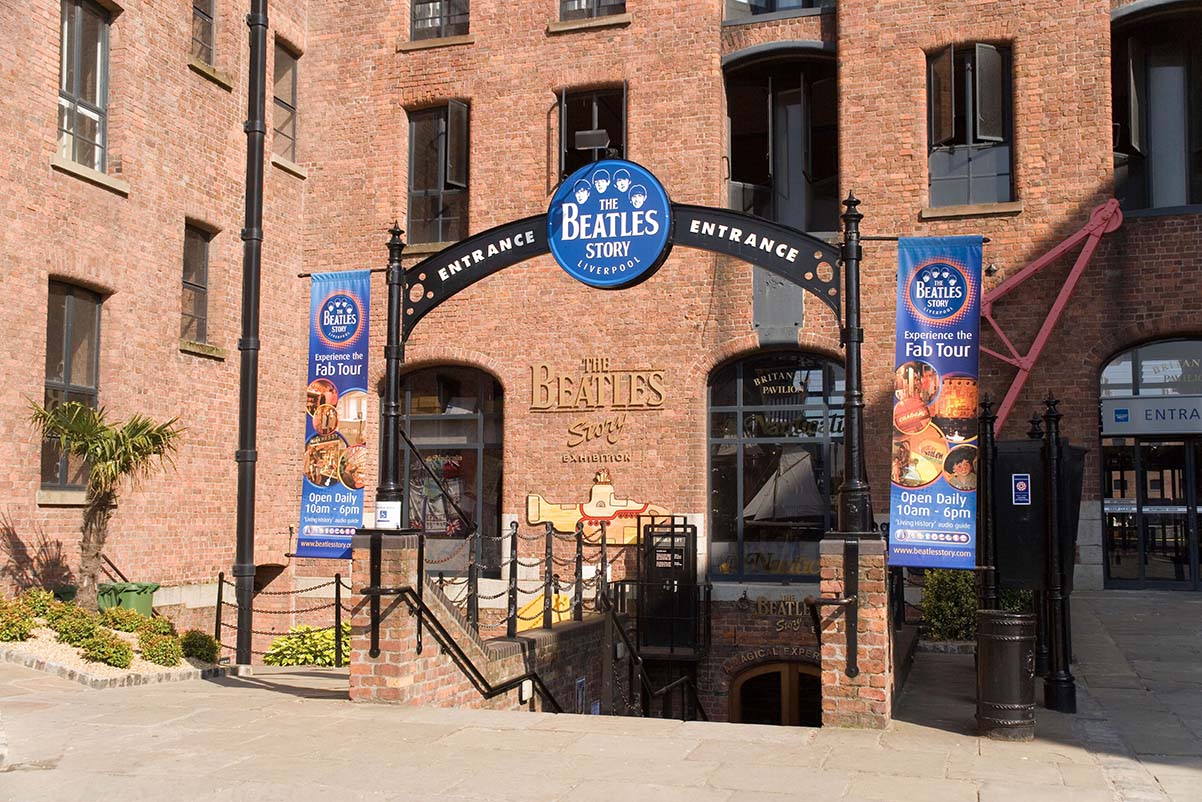
When visiting Liverpool, the one place you simply cannot miss is, naturally, the famous Beatles Story museum.
Located within the Albert Dock area, the museum had my heart racing with excitement even before I stepped through its doors.
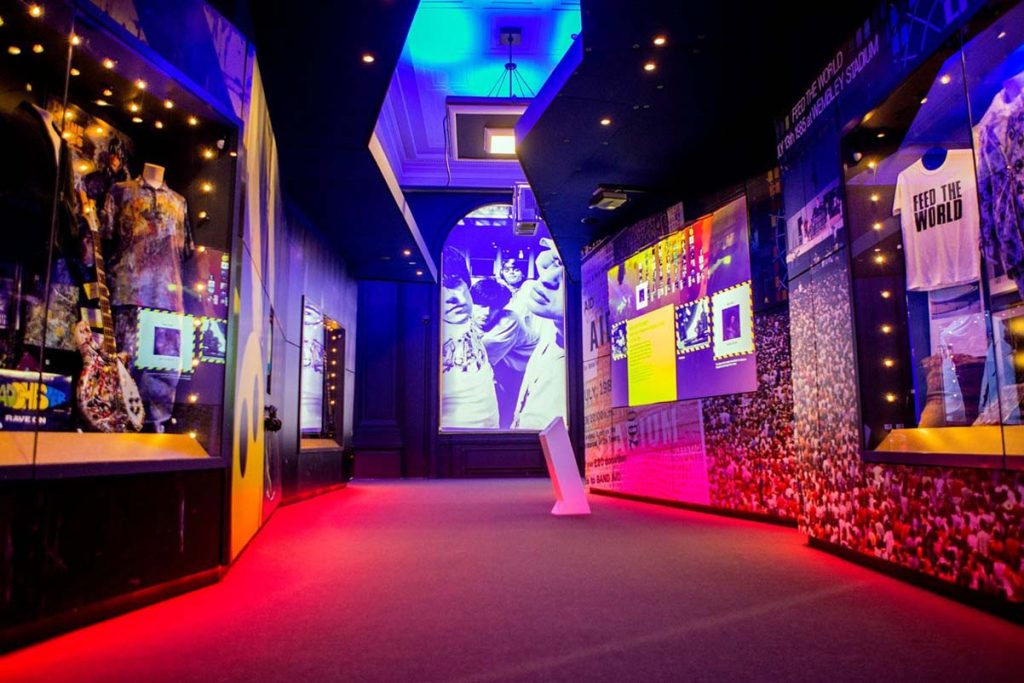
Upon entering the exhibition hall, I felt as though I had stepped into a time tunnel. From the band’s humble beginnings to their meteoric rise to global stardom, every stage of The Beatles’ journey is presented in vivid detail. The exhibition hall displays precious photographs, replicas of musical instruments, performance costumes, and a wealth of historical materials.
What moved me most was the recreation of “The Cavern Club.”
Bathed in dim lighting, the brick walls and intimate stage have been meticulously reconstructed. Standing there with my eyes closed, I could almost hear the young John Lennon, Paul McCartney, George Harrison, and Ringo Starr playing live.
Although it was merely a scenic reconstruction, the atmosphere alone sent a thrill through my veins.
As I toured the exhibits, I not only learned the story of The Beatles’ rise to fame but also gained a deeper understanding of why they were able to revolutionize the history of world music.
Upon leaving the museum, I made a point of stopping at the gift shop to purchase a replica vinyl record for my collection. For a music enthusiast, this is more than just a souvenir—it is a tangible piece of history.
Albert Dock: The Soul of a Port City
After leaving the museum, I took a leisurely stroll along Albert Dock.
Once one of the busiest ports in the world, this area has now been transformed into Liverpool’s most popular cultural and leisure district.
Red-brick warehouses line the waterfront, where historic industrial architecture blends seamlessly with modern restaurants and art galleries. Sunlight dances across the water’s surface, creating shimmering ripples, while various vessels lie moored in the distance.
I found a waterfront café, took a seat, and ordered a latte.
A gentle sea breeze drifted in, accompanied by the cries of seagulls, and I felt my entire body relax.
Sitting there, I could sense the profound bond between Liverpool and the sea.
It was this very port that once connected the city to every corner of the globe, serving as a melting pot where diverse cultures converged.
Although the times have changed, the spirit of openness bequeathed by the port continues to exert a deep influence on this city today.
Historic Waterfront District: Witnessing the Glory Days
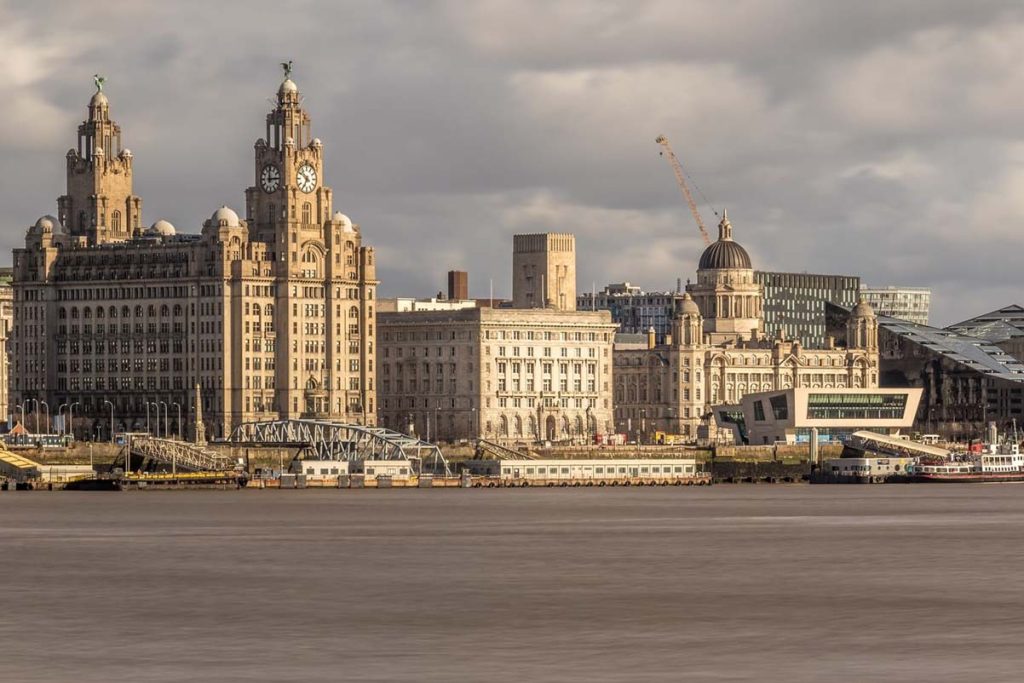
The following morning, I made a special trip to Liverpool’s Historic Waterfront District.
This area preserves a vast collection of buildings dating back to the 19th and early 20th centuries; each structure stands as a testament to the city’s past prosperity.
As I wandered through the district, my favorite sight was the “Three Graces” complex. The Royal Liver Building, the Cunard Building, and the Port of Liverpool Building stand side by side in magnificent grandeur.
Standing in the square and gazing upward, I could sense the glory of the golden age of maritime shipping.
Nearby, there are also numerous commemorative sculptures and historical exhibitions.
Through these displays, I learned that Liverpool was not merely a vital British port, but a pivotal hub in the development of global trade.
This, to me, is the most fascinating aspect of travel.
When you physically stand on the very ground where history unfolded, the words you once read in books suddenly spring to life.
Tracing the Footsteps of The Beatles
As a music enthusiast, I certainly wasn’t content with simply visiting museums.
On my third day, I joined a Beatles-themed tour.
Our guide led us to numerous key locations associated with the band.
These included John Lennon’s childhood home, the neighborhood where Paul McCartney grew up, as well as the famous Penny Lane and Strawberry Field.
When I finally stood before the Penny Lane street sign, I felt an indescribable surge of excitement.
The lyrics I had heard countless times through my headphones had now transformed into a tangible, real-life street.
In that moment, I suddenly understood why music fans from all over the world make this pilgrimage.
Music, it turns out, truly can transcend time and distance to bring people together.
Liverpool at Night: A City of Music
As night fell, Liverpool revealed a different kind of charm.
The bar district in the city center was brightly lit, and the sounds of street performers playing music filled the air.
I stepped into a music bar with a history spanning several decades.
On stage, a local band was performing classic rock anthems.
The crowd clapped along to the rhythm and sang in unison; the atmosphere was electric.
To my surprise, people of all ages seemed to share an equal passion for the music.
Here, music is not merely a form of entertainment; it feels like an integral part of the city’s cultural fabric.
I ordered a local beer and sat quietly in a corner, simply listening to the music.
Hours slipped by without me even realizing it.
When I finally left the bar, the streets were still bustling with activity.
That atmosphere—so free, open, and brimming with creativity—left a lasting impression on me.
The Human Touch of Liverpool
Beyond the landmarks and the music, what left the deepest impression on me in Liverpool were the people themselves. Whether in a café, a museum, or simply asking for directions on the street, the locals consistently proved to be incredibly friendly.
On one occasion, while searching for a record store, I lost my way; an elderly gentleman voluntarily stopped to assist me and even enthusiastically recommended a few music bars favored by the locals.
Though our interaction lasted only a few brief minutes, it allowed me to experience the warm, human side of this city.
Perhaps it is precisely due to the enduring influence of its maritime heritage that Liverpool has consistently maintained such an open and inclusive urban character.
Discovering Liverpool Through Melody
On the day I departed Liverpool, I paid one last visit to Albert Dock.
The sea breeze still blew gently, and from a distance, the voice of a street performer singing “Let It Be” drifted through the air.
I sat by the water’s edge, gazing out at the shimmering surface, and reflected upon the experiences of the past few days.
From the Beatles Museum to the historic waterfront district, from Penny Lane to the lively pubs—every place I visited helped me gain a deeper understanding of this city.
Liverpool belongs not only to the Beatles, nor solely to its maritime history.
It is a city that has woven music into its very bloodstream and etched its history into the fabric of its streets.
For anyone with a passion for music and cultural travel, this destination is absolutely worth a special pilgrimage.
And I know that, even years from now—whenever I hear the melodies of the Beatles once again—I will still be transported back to Liverpool: to its sea breezes, its docks, and that unforgettable night filled with musical tales.