When I first planned a trip to Brighton, my impression of this British seaside city was limited to its beaches, colorful streets, and leisurely seafront promenade. However, before actually setting off, I realized that choosing the right flight and arranging local transport was just as crucial, as these factors directly impact the comfort and pace of the journey. For a traveler like me—balancing a desire to save money with the need for a smooth trip—this aspect was particularly important.
Flight Selection: Finding the Best Value
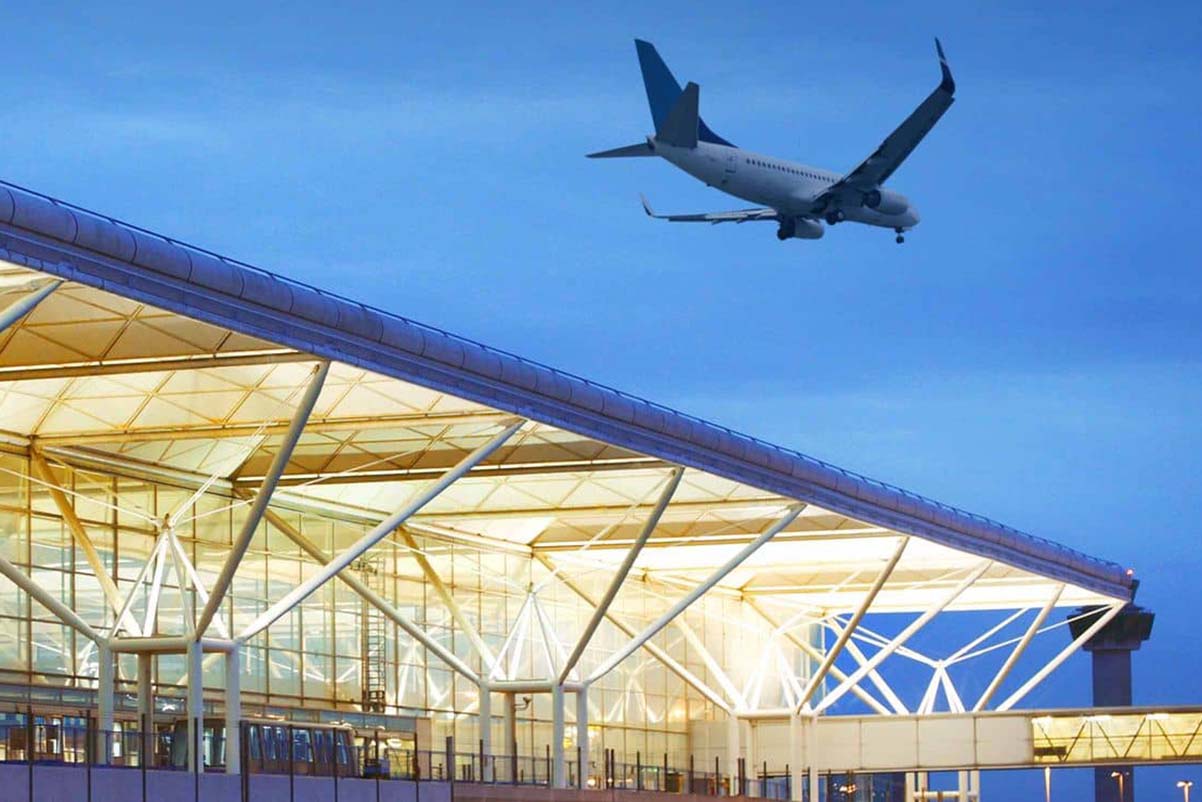
During the booking phase, I spent considerable time browsing various flight comparison websites. As a coastal city near London, Brighton doesn’t have its own major international airport; the standard approach is to fly into London Heathrow or Gatwick and then take a train or bus to Brighton. I initially debated whether Heathrow or Gatwick was the better choice but ultimately opted for Gatwick. The reason was simple: there are more frequent direct trains from the airport to Brighton city center, and ticket prices remain relatively stable.
I also picked up a useful tip: booking two to three months in advance usually secures the best rates. By booking directly through the airline’s official website rather than a third-party platform, I saved nearly £20. While a direct flight to London costs slightly more, it eliminates the fatigue of layovers and saves a significant amount of time. I made an effort to choose morning departures so that I would arrive in Brighton with a full afternoon ahead of me to stroll along the seafront—a strategy that was both economical and efficient.
Luggage and Savings Strategies: Watch Out for “Hidden” Costs
For me, the airfare wasn’t the only thing to consider. Budget airlines have complex and nuanced baggage policies that can easily lead to extra charges. I initially thought a single carry-on backpack would suffice, but upon reviewing the rules, I discovered that exceeding size or weight limits would incur additional fees. Consequently, I packed strictly according to the airline’s regulations, layering my clothes and using compression bags to save space.
Additionally, I subscribed to the airline’s promotional emails and received “last-minute discount” offers on several occasions; these deals were incredibly cost-effective, especially for off-peak travel times. I’ve tried the strategy of booking a “mixed-carrier” itinerary—flying out with one airline and returning with another—which often saves nearly 15% on airfare. For me, investing a little time in research pays off not just in monetary savings, but also in a more relaxed travel experience.
Arriving in London: A Smooth Journey from the Airport to Brighton
After landing at Gatwick Airport, my first priority was getting to Brighton. There is a convenient direct train service from Gatwick to Brighton that takes about 45 minutes. I booked my ticket online in advance, which was cheaper and guaranteed me a seat. On my first trip, I opted for Standard Class; the carriage was clean and quiet, and the passing scenery of the southern English countryside was delightful.
If your budget allows, you can also choose First Class. I tried upgrading once; the seats were more spacious, the carriage was quieter, and complimentary drinks and newspapers were provided. Although it cost more, the experience was excellent. The station exit is less than a ten-minute walk from Brighton’s city center, making it easy to head straight to my hotel with my luggage. This part of the journey made me realize that planning ahead not only saves time but also ensures a comfortable, stress-free trip.
Local Transport: Diverse Ways to Explore the City
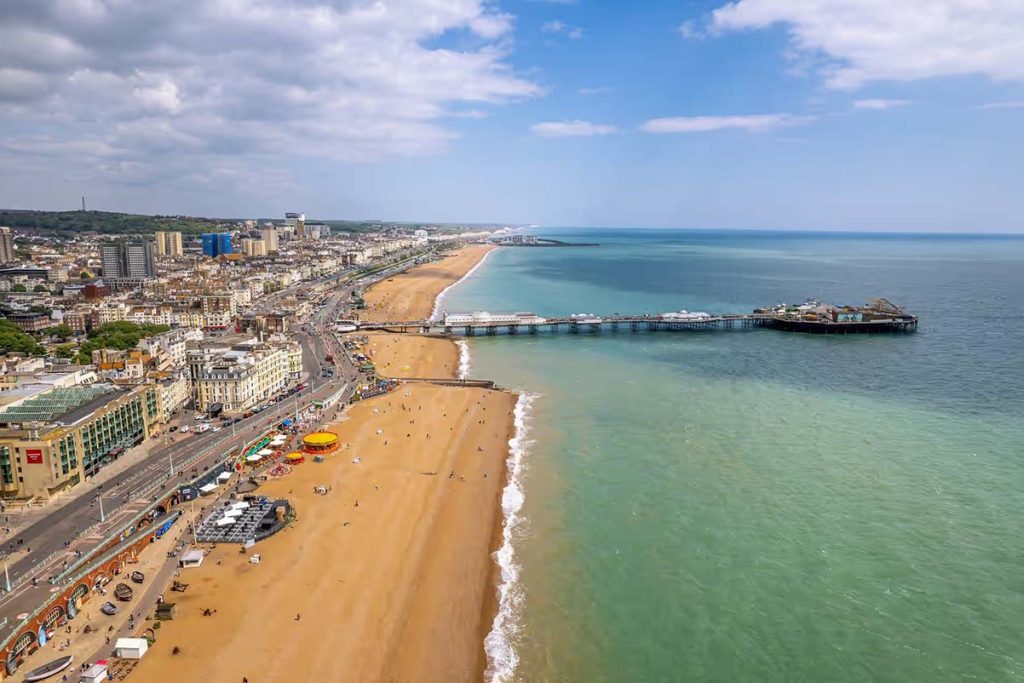
Once in Brighton, I thoroughly explored the city’s transport system. While public options include buses, bike rentals, and taxis, walking and cycling are the best choices for tourists. The city center streets are narrow, and the seafront is often bustling with visitors and cyclists, so choosing a nimble mode of transport is key. I rented a shared bike and rode from the seafront promenade to the colorful narrow streets; feeling the sea breeze on my face allowed me to experience the city’s rhythm far better than taking a vehicle.
Buses are also convenient within the city; single fares are reasonable, and you can buy a day pass for unlimited travel. I took the bus from Brighton Railway Station to the Royal Pavilion—a trip of less than 15 minutes that saved a lot of effort compared to walking. For returning to my hotel at night, I chose to take a taxi; it is the safest and quickest option, especially when carrying luggage or traveling after dark. I even picked up a handy tip: booking a ride through an app is cheaper than hailing a cab on the street, plus it provides a price estimate, making the cost transparent.

The Wisdom and Freedom of Transport Planning
After spending a few days in Brighton, I realized just how much the smart coordination of flights and local transport impacts the comfort and efficiency of a trip. From selecting flights, taking advantage of deals, and managing luggage to navigating trains, buses, bicycles, or taxis upon arrival—every step requires a bit of advance planning. Each choice reinforces the idea that travel is not just about the beauty of the destination, but also about the smoothness and ease of the journey itself.
Getting around Brighton gave me a unique sense of freedom: I could choose the speed and efficiency of a train or take a leisurely bike ride while enjoying the sea breeze; I could opt for frugality or prioritize comfort. Every outing felt like an exploration of the city’s rhythm. For future trips, I plan to stick to this strategy—being savvy with costs and making the most of various offers and modes of transport—to ensure a relaxed, seamless journey while leaving plenty of time to savor the scenery and unexpected delights along the way.